Teaching
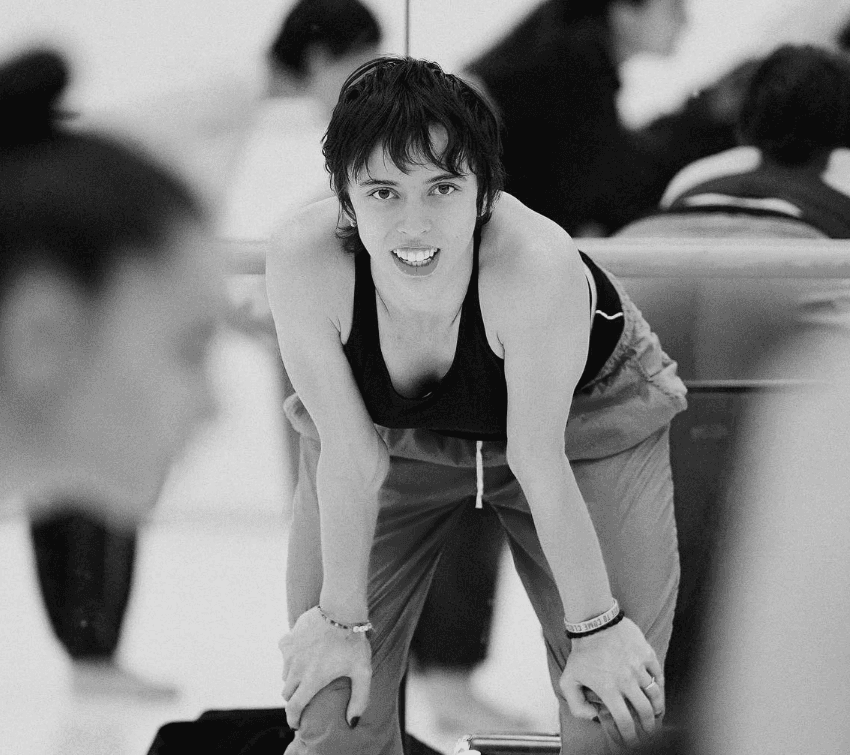
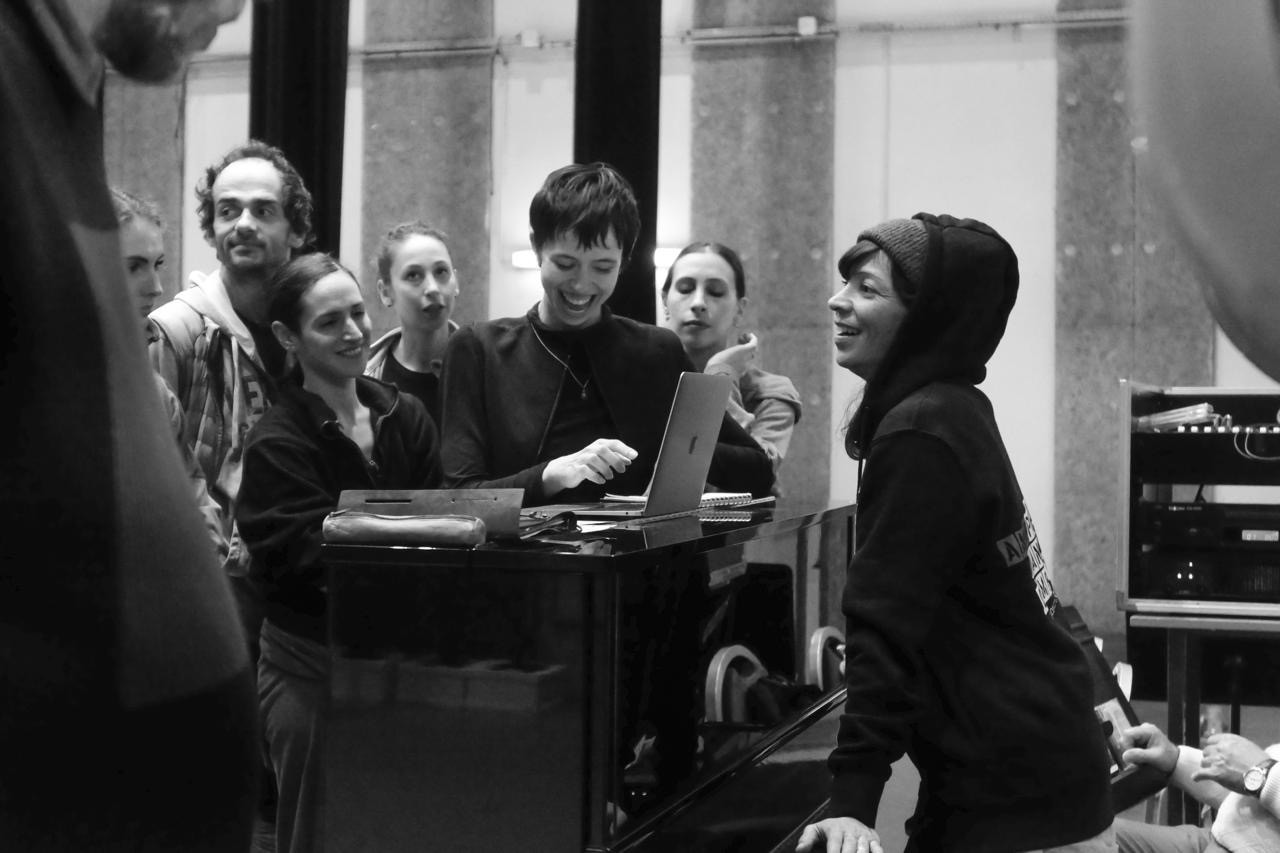
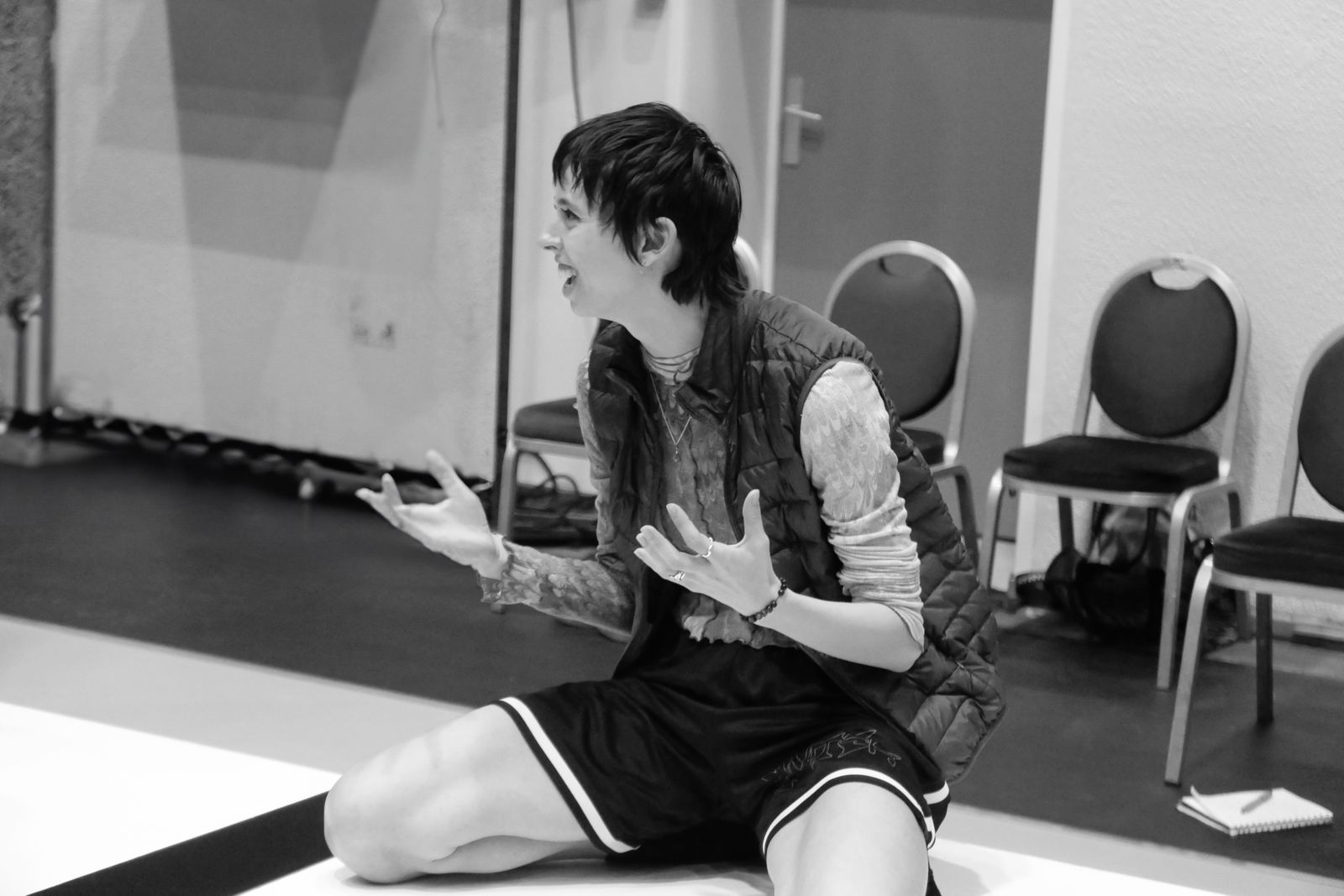
Both my parents being in the field of education, I guess it makes sense that I have also felt drawn to being a teacher, a coach and a mentor. I started early, teaching classes in the various countries we toured with NDT2. Once I left the company, I kept being invited to teach workshops here and there. As I took on more experience both as a dancer and as a teacher, I started shaping my classes in response to what I felt was lacking in the dance field. I’ve taught three years in a row at the summer intensive of Orsolina 28 (my favorite place for dance!). I’ve organized intensives and masterclasses in Japan, Korea, USA and the Netherlands. It’s been a real privilege to adapt my teaching to the cultures I encounter and the students I meet. I learn so much myself from it, and it has truly nurtured who I am as an artist.
Workshops: Developing Artistry
In school, we were always given a grade for technique and a grade for artistry. We worked endlessly to improve technically, but I don’t recall receiving much guidance on how to actually develop my sense of artistry. Yet I was still graded on it—somehow it was always my strongest mark—without anyone ever explaining why, how, or what more I could explore. Talking to peers, I’ve realized many of us share this experience. It highlights a real need for our education systems to shift their mindset, especially if we want to nurture artists who are more than just movers.
My workshops on developing artistry are my attempt to plant seeds in young dancers—seeds about approaching movement from a place of presence, intuition, and choice. I’ve been deeply inspired by jazz musicians: how present and knowledgeable they are, how they can make the right decision at any moment for the music, the atmosphere, and the audience. They are trained to make choices that serve the greater purpose of the work they’re performing. That space for choice is, for me, the core of artistry.
This idea made me want to create a workshop in which participants discover where they have the freedom to choose, even while executing set material or repertoire. The more we practice decision-making, the more we refine our taste, uncover new possibilities, stay playful, and stay present. And it’s that presence on stage that draws my eyes to certain performers—those artists you simply can’t look away from.
During the workshop, we explore how to play with focus, surroundings, musicality, and imagination to create performances that feel both captivating and honest.
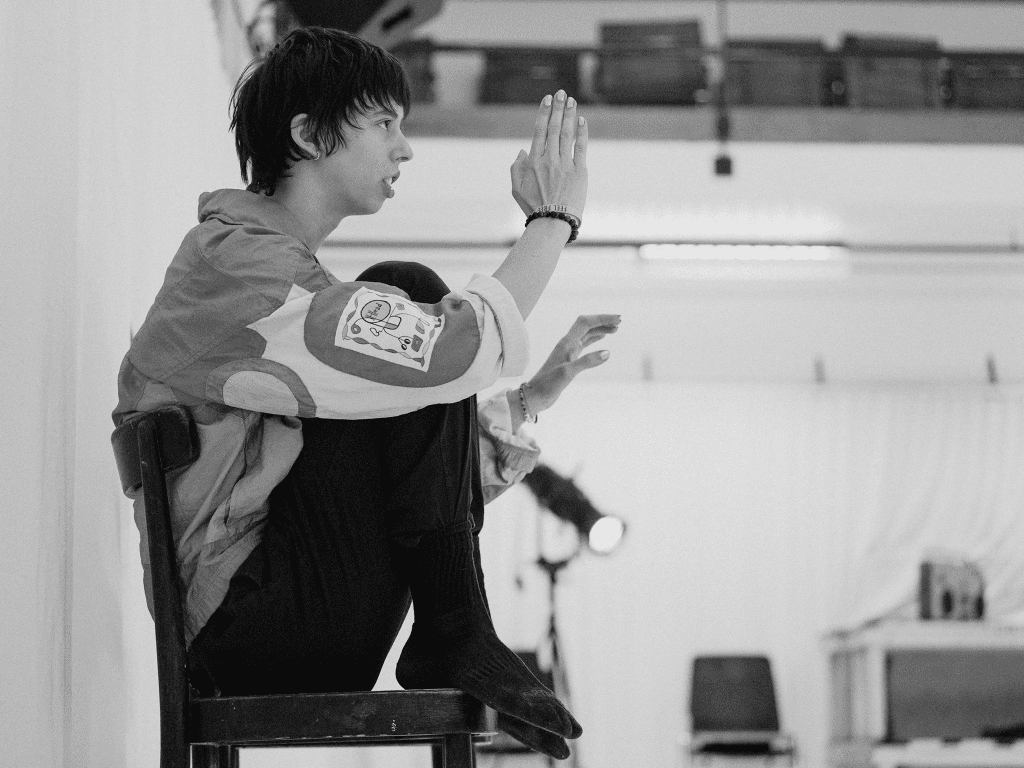
Repertoire Masterclass
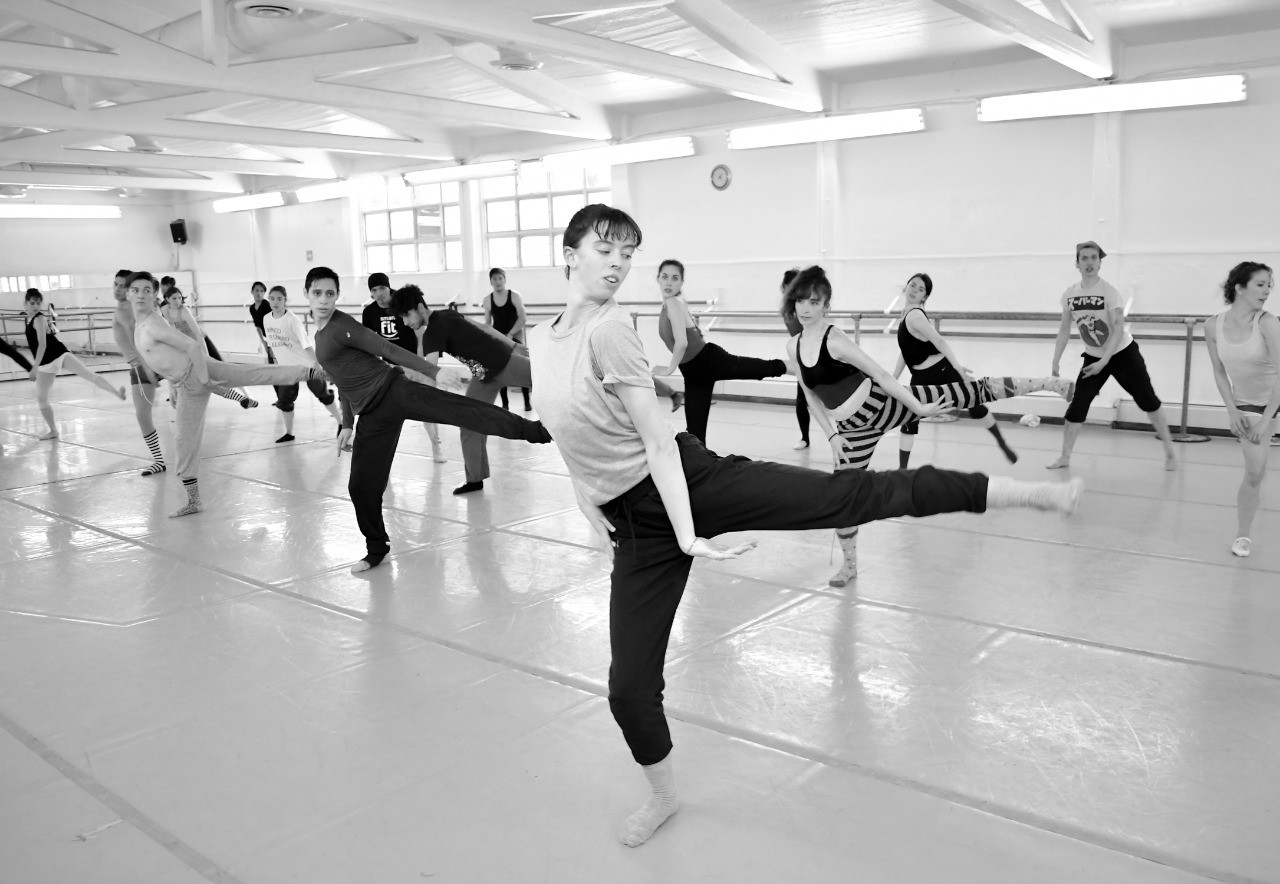
Understanding and embodying different movement styles and philosophies is a key asset for any aspiring professional dancer. I believe it’s essential for students to be exposed to as many movement languages as possible during their training so they can later respond to the wide-ranging demands of the industry. That’s one of the reasons repertoire workshops are so valuable. I certainly didn’t take enough of them before joining a company, and adapting my body to different works became one of the biggest challenges I faced.
I have the rights to teach repertoire from Alexander Ekman and Juliano Nunes—two very different creative minds, each wonderfully playful in their own way. When I teach their work, I don’t just focus on the material from existing pieces; I also give participants a glimpse into the choreographer’s creative thinking, interests, and ways of being. I make a point of emphasizing how to learn in order to reproduce movement accurately, rather than simply absorbing material for the sake of it.
Ballet Extravaganza
Ballet extravaganza is my version of a fun, involving and captivating ballet class! I prioritize the search of experiencing over the search of achieving, putting at the foreground the use of musicality, imagination and traveling energy. Throughout the class, I share the tools I’ve discovered over the years—methods that make ballet more accessible to my body and aligned with my interests, even when they diverge from traditional classical training. This class promises to make you move, make you sweat and make you smile! As well as offer a new approach, or perhaps mindset, in which to experience our everyday training. All exercises are carefully choreographed to pop music (that’s where the extravaganza comes from). I find that when we dance to music we know and enjoy, it gives us the opportunity to dive deeper into the different layers of musicality, allowing us to access and inspire many different types of movement qualities. This allows our muscles to warm up with more availability for all types of work. I've taught both classical artists and contemporary ones. Mostly students, but also professionals. The feedback I've got from classical dancers was that it was exciting for them to discover how to move through a ballet class. Contemporary dancers usually experience it as being a healing experience to reconnect to ballet.